Buying Guides
6061 vs 7075 Aluminum: How to Choose for CNC Machined Parts
7075 is the strongest common machining aluminum; 6061 is the most economical and versatile. Most parts specified in 7075 do not need it — and some parts specified in 6061 genuinely do.
The Short Answer
Bracket, housing, plate, cover or fixture under ordinary loads? Specify 6061. Cheaper to buy, faster to machine, easier to anodize — and you can weld it. Genuinely load-critical — thin sections carrying serious stress, a steel component being redesigned for weight, a fitting whose failure would be dangerous or expensive? Specify 7075, and accept its premiums: higher material cost, no welding, less predictable cosmetic anodizing. The mistake is expensive in both directions. 7075 bought as insurance wastes money on every part, forever. 6061 substituted into a truly stressed part saves money exactly once — and spends it on the failure.
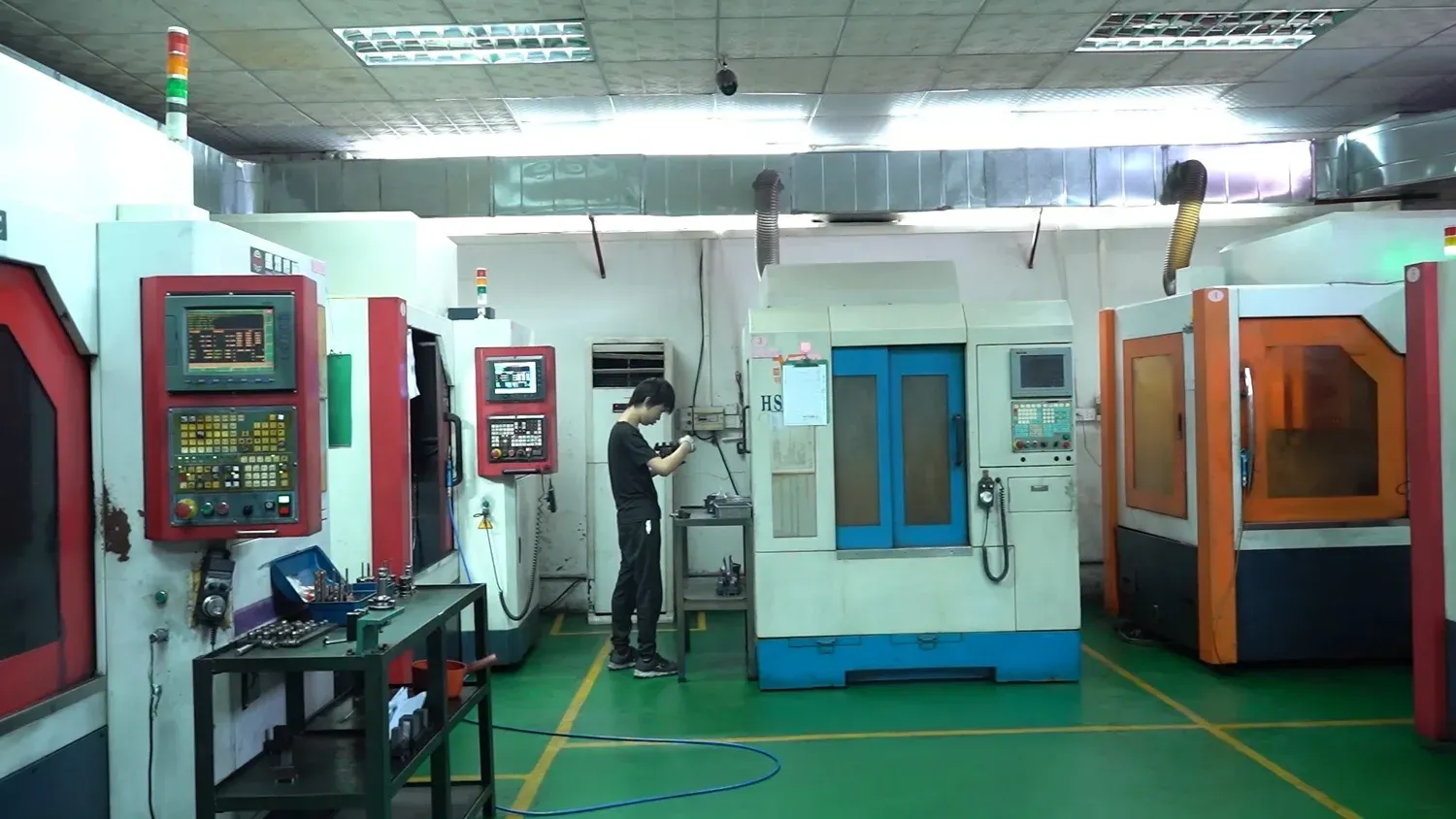
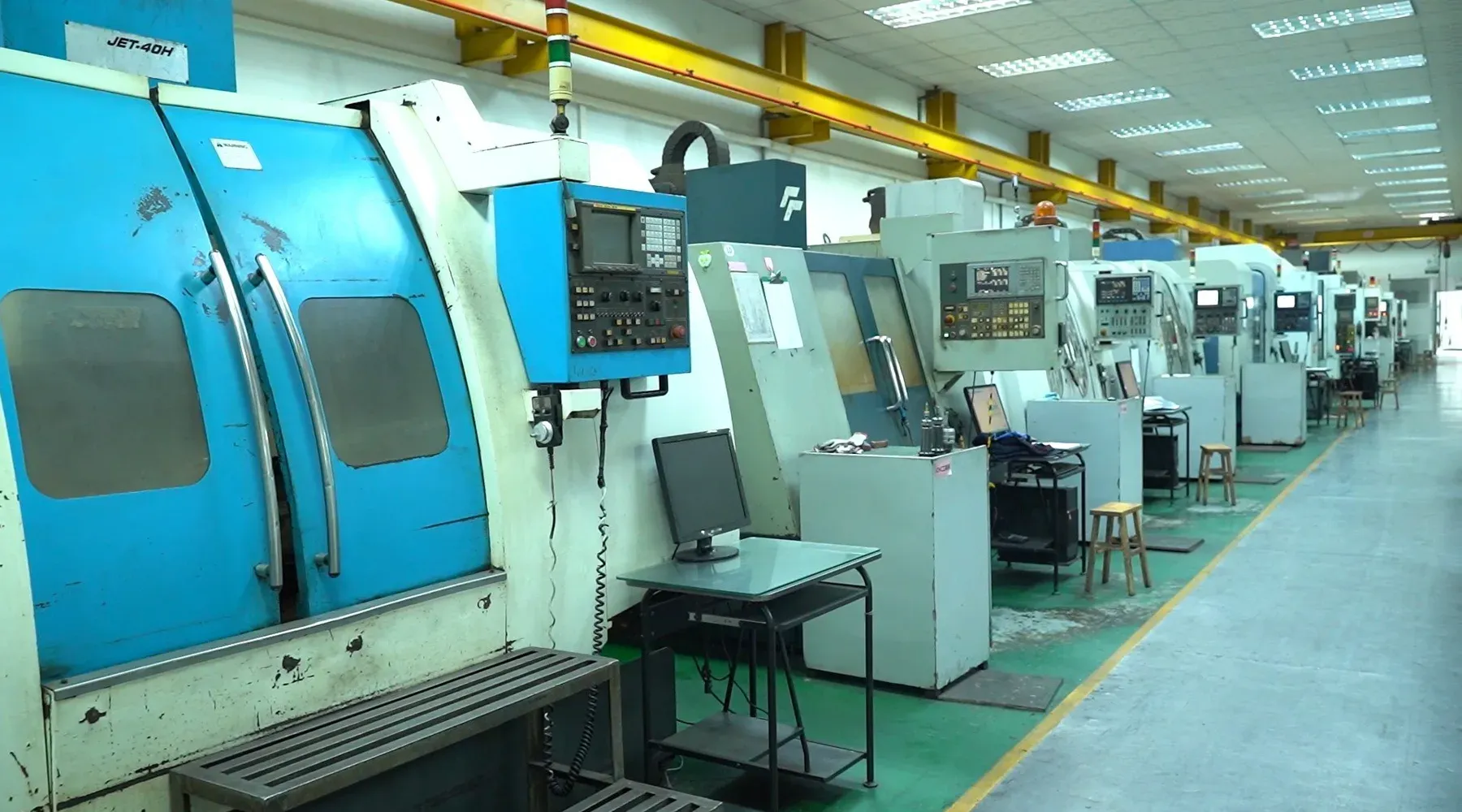
Below, the full comparison as our engineers at HAFO apply it in DFM reviews. We machine both grades daily on 3, 4 and 5-axis centers, and the material call is part of every free review.
What Actually Differs Between Them
Chemistry explains almost everything here. 6061 is an aluminum-magnesium-silicon alloy: balanced, well-behaved, the general-purpose structural grade of the machining world. 7075 is an aluminum-zinc alloy (with magnesium and copper), developed for airframe structures where strength per weight is the entire point. Strength, corrosion behavior, anodizing response, weldability — nearly every practical difference in this article traces back to that.
Both are almost always used in the T6 temper (solution heat-treated and artificially aged), and the values below are the typical published figures for T6 that you'll find in any standard materials reference.
Head-to-Head Comparison
Property / factor | 6061-T6 | 7075-T6 | What it means for your part |
|---|---|---|---|
Typical tensile strength (published) | ≈310 MPa | ≈570 MPa | 7075 is in a different strength class — approaching mild steel at a third of the weight |
Typical yield strength (published) | ≈275 MPa | ≈500 MPa | The gap that matters for parts that must not permanently deform |
Density | ≈2.70 g/cm³ | ≈2.81 g/cm³ | Nearly identical — 7075's strength is not bought with weight |
Elongation / ductility | Higher (≈17% typical) | Lower (≈11% typical) | 6061 is more forgiving of overload and forming; 7075 is stronger but less tolerant of abuse |
Machinability | Excellent — the economy benchmark | Very good, with more tool wear | Both machine cleanly; 6061 runs faster and cheaper |
Weldability | Weldable (with strength loss in the weld zone) | Generally not welded | An assembly that needs welding decides this alone |
Anodizing | Even, predictable, incl. colors and hardcoat | Possible; cosmetic color less consistent (high zinc content) | Cosmetic parts lean 6061; hardcoat for wear works on both |
Corrosion resistance | Very good in ordinary environments | Good, but less forgiving; T6 temper is more susceptible to stress-corrosion in aggressive settings | Outdoor/marine exposure argues for 6061 or protective finish on 7075 |
Material cost | The benchmark | A clear premium over 6061 | Multiplied by every part, every order |
Availability | Ubiquitous, every form and size | Widely stocked, slightly thinner size range | 6061 rarely delays a job; check large sizes in 7075 early |
Strength: The One Real Reason to Choose 7075
Let's be precise about the case for 7075, because where it applies, it's a strong case. Roughly 1.8× the tensile and yield strength of 6061, at essentially the same weight. That lets an engineer do things 6061 simply cannot: thinner walls that still carry load, smaller cross-sections in highly stressed fittings, steel parts redesigned in aluminum without growing them. Bicycle and motorsport components, high-load brackets, aerospace-style fittings, performance drone and robotics structures — that's 7075's home ground. On that ground, no honest engineer will talk you out of it.
But notice: that's about parts whose design is limited by material strength. Most machined parts aren't. A housing is limited by stiffness and screw bosses. A plate, by flatness. A bracket, by the bolts through it and the wall behind it. In those parts, doubling the alloy strength changes nothing about actual performance — the failure mode was never the metal yielding — while the cost, weldability and anodizing penalties apply in full. We see the pattern constantly in DFM: a drawing copied from a previous project, a grade inherited from a template, "7075" typed where nobody ever ran the numbers. If that's you, the saving from switching is real and risk-free, and we'll tell you.
The mirror-image error exists too, and it's worse: thinning a genuinely stressed part and quietly downgrading the alloy to hit a price. If your margins were calculated in 7075, the part stays in 7075. Strength is the one property here that can fail a product in the field. It outranks every cost line in this article.
Machinability and What It Does to Price
Both alloys are pleasant to machine — this isn't steel versus aluminum. But they aren't equal:
- 6061 cuts fast, produces clean chips, tolerates aggressive feeds, and is gentle on tooling. It's the reference point for economical aluminum machining.
- 7075 is harder, more abrasive. It wants sharper tools, wears them faster, and generally runs somewhat slower — and its raw stock costs more before a tool ever touches it.
So a 7075 part costs more twice: once in the material invoice, once in machine time and tooling. See → What Does CNC Machining Cost? for how those two terms combine in a quote. Plain takeaway: the premium is justified by strength, and only by strength. Pay it for a part that will never be stressed and you're buying performance you can't use.
One more note: 7075's strength comes with lower ductility, so very thin walls and sharp features are slightly less forgiving during machining and in handling. Our process planning accounts for it. Reason for care, not avoidance.
Anodizing and Finishing
If the part will be seen, this section may decide the grade before strength does.
- 6061 is the reliable anodizer of the family. Clear anodizing stays bright, colors come out even, hardcoat builds a predictable, wear-resistant layer. Two mating parts anodized in the same batch will match.
- 7075 anodizes — including hardcoat for functional wear parts — but its high zinc content tints the film and makes cosmetic color matching noticeably less consistent. On a consumer-facing part, that shows.
Rule of thumb from the finishing bench: cosmetic lead → 6061; strength lead → 7075, and finish it for function (clear or hardcoat) rather than display color. Both grades take bead blasting, painting, powder coating and plating well, so a painted part escapes the dilemma entirely — paint doesn't care which alloy is underneath. More in → Aluminum Alloys for CNC Machining.
Corrosion and Environment
6061's corrosion resistance is one of its quiet virtues. It shrugs off ordinary indoor and outdoor exposure with no finish at all. 7075 is respectable but less forgiving — its T6 temper is more susceptible to stress-corrosion cracking in aggressive (especially chloride-bearing) environments, which is why overaged tempers exist for critical applications. Practical reading: a 7075 part working outdoors or near the sea gets a protective finish (anodize, hardcoat, paint) as a matter of course, and that finish cost belongs in the comparison. A 6061 part in the same place may need nothing.
Welding: The Deciding Constraint Nobody Mentions
If the machined part will be welded into an assembly, the comparison ends here: 6061 welds; 7075, for structural purposes, does not. 7075's chemistry makes weld joints crack-prone and unreliable. Teams occasionally discover this after the parts arrive. Ask the welding question at drawing stage. It costs nothing then. A redesign later costs plenty.
Temper: The Assumption Behind Every Number Above
Every value in the comparison table assumes the T6 temper for both alloys, because that's how machined parts are almost always specified. Temper matters more than most buyers realize. The same alloy in a soft annealed temper is a far weaker material, and a drawing that says only "7075" with no temper is an incomplete specification — one we'll query in the DFM review rather than guess at.
Two footnotes worth knowing. First, welding 6061 locally destroys the T6 temper in the heat-affected zone, so a welded-and-machined assembly will be softer around the welds unless it's re-heat-treated as an assembly; design margins should assume that. Second, 7075 exists in overaged tempers (the T7x family) that trade some strength for much better stress-corrosion resistance. A strength-critical part in a corrosive environment is sometimes a temper conversation, not an alloy conversation. Either sound like your part? Raise it in the RFQ. These are exactly the details a DFM review is meant to catch before metal is cut.
Machining Notes from the Shop Floor
A few behaviors our machinists plan around — they occasionally surface in DFM comments on your drawing:
- Residual stress and movement. Aluminum plate and bar carry internal stresses from their own manufacture. Remove material very asymmetrically — a deep pocket on one face of a thin plate — and the part can bow slightly as those stresses rebalance. 6061 is generally the calmer of the two; in 7075 we plan roughing and finishing passes symmetrically on distortion-prone shapes. Thin, heavily pocketed plate? Expect us to discuss machining sequence or a stress-relieved stock choice.
- Threads. Both alloys thread well. But a repeatedly used thread in aluminum — either grade — deserves a thought about wire thread inserts, which spread the load and survive far more assembly cycles than a tapped aluminum thread. On small runs we can machine the part ready for inserts you install, or talk through the options in the review.
- Surface integrity for fatigue parts. If the part cycles under load, tool marks are stress raisers. A light bead blast or polish on the stressed faces is cheap insurance — another reason the finish conversation belongs in the same review as the material one.
None of this changes the headline choice between the grades. It's the difference between a part that merely matches its drawing and one that behaves in service.
The Decision Checklist
Walk the drawing through these questions in order. The first decisive answer usually settles it:
- Will it be welded? Yes → 6061. (Or 6082, the European structural alternative — see → Aluminum Alloys.)
- Is it strength-limited? (Calculated stresses are a real fraction of 6061's capability; thin sections carrying load; a steel part being lightened.) Yes → 7075.
- Is it a cosmetic, anodized part? Yes → 6061 for color consistency.
- Will it live outdoors or near salt water, unfinished? Yes → 6061, or 7075 with a protective finish priced in.
- Is it a housing, cover, plate, bracket or fixture under ordinary loads? → 6061, and spend the saving on the tolerances and finish that actually matter.
- Still unsure? Send the drawing. Material recommendation is part of our free DFM review — and if the honest answer is 7075, that is what we will quote.
One Last Variable: Stock Form
The grade decision travels with a quieter one: the form the metal arrives in. Both alloys stock as plate and bar in a wide range of sizes, and form affects price through waste. A flat part nested in plate wastes little. A tall part carved from thick plate throws most of the block away as chips, whatever the grade. 6061 is also readily available as extrusion — often the cheapest starting point for profile-like parts; 7075 extrusions exist, but in a thinner range. Forgings enter the picture for genuinely critical parts, where grain structure matters. None of this changes which grade your part needs. But tell us the envelope size in the RFQ, and the DFM review can pick the form that makes your chosen grade cheapest to buy.
FAQ
Is 7075 "aircraft grade" and 6061 not?
7075 earned its reputation in airframe structures, and the nickname stuck as marketing. But 6061 is also used extensively in aerospace and transport. "Aircraft grade" is not an engineering specification — the temper and the property values are. Specify "7075-T6" or "6061-T6." Not a nickname.
How much stronger is 7075, in plain terms?
Roughly 1.8 times the tensile and yield strength of 6061 in the T6 temper (typical published values ≈570 MPa vs. ≈310 MPa tensile) at almost the same density. It is the difference between "strong aluminum" and "aluminum that competes with mild steel on strength per weight."
Why is my 7075 quote higher even though the part is small?
Both cost terms move: the stock carries a premium, and machining runs somewhat slower with more tool wear. On small parts the difference is modest in absolute terms; on large or numerous parts it compounds. It is only worth paying when strength is the requirement.
Can I switch an existing part from 7075 to 6061?
If the part is not strength-limited — most housings, brackets and plates are not — yes, and you will typically gain on anodizing consistency too. Check thread engagement and the thinnest loaded sections first. Our DFM review will give you a straight answer for your specific part, including when the answer is "do not switch."
Which grade is better for hardcoat anodizing?
Both hardcoat well functionally. 6061 gives the more predictable cosmetic result; 7075 hardcoat is chosen for wear on strength-critical parts, accepting a plainer appearance.
Does 7075 machine to the same tolerances as 6061?
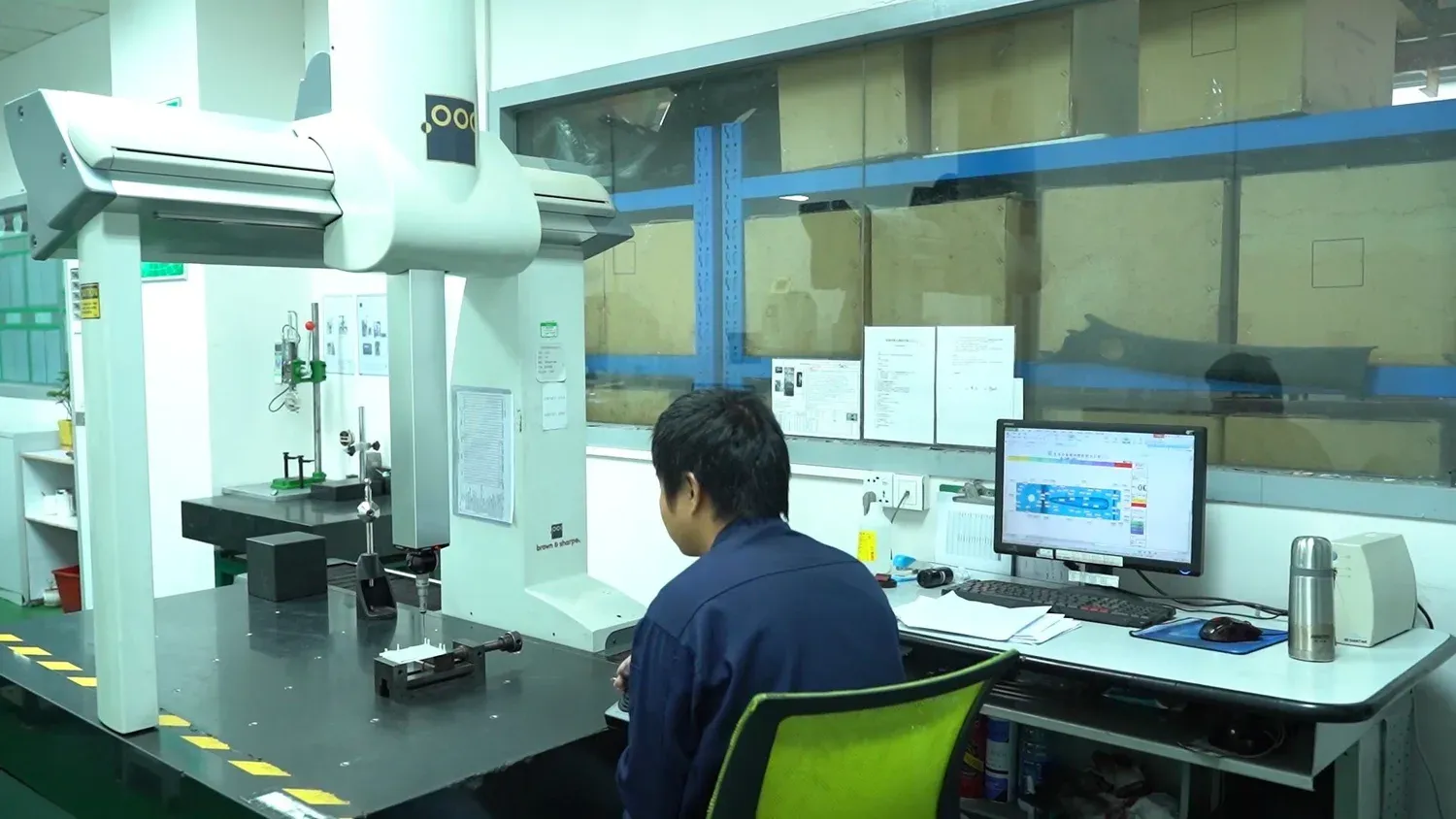
Yes — tolerance capability is a function of the machine, process and inspection, not the grade. We hold the same ISO 2768-mK levels in both: standard ±0.13 mm (±0.005 in), precision ±0.025 mm (±0.001 in), verified on fully automatic CMMs.
What about 6082 — is it a middle option?
In strength, 6082 sits near or somewhat above 6061 and is the structural grade European drawings often specify; it welds and anodizes acceptably. If your drawing is European and says 6082, the cheapest correct action is usually to machine 6082 — we stock-route it for export orders (flag it in the RFQ so we confirm stock at DFM stage).
Can parts of the same assembly be mixed — 6061 housings, 7075 internals?
Absolutely, and it is often the smartest specification: each part gets the grade its function needs. Just tell us early if mating parts must match cosmetically after anodizing — then we will align grade and batch for the visible pieces.
Related Reading
- → Aluminum Alloys for CNC Machining — all four grades we machine, compared
- → Precision Aluminum CNC Machined Parts — product page and specifications
- [→ CNC Machining] — services, materials and specifications
CTA: Caught between the two grades? Upload the drawing. The free DFM review includes an honest material call — including "the cheaper grade is fine here" — and a quote within 24 hours. Files stay confidential; NDAs welcome.