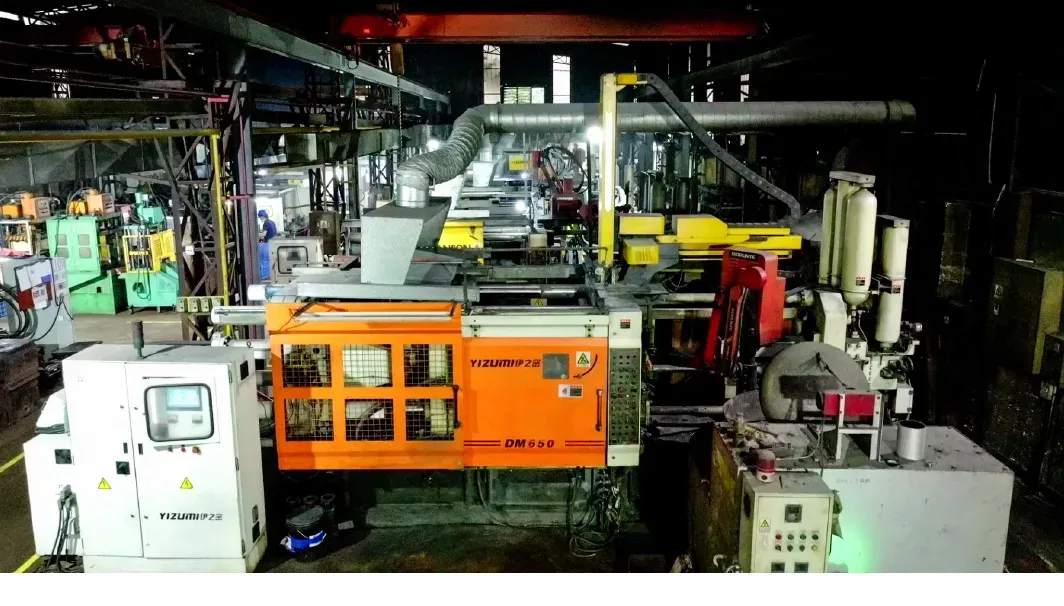
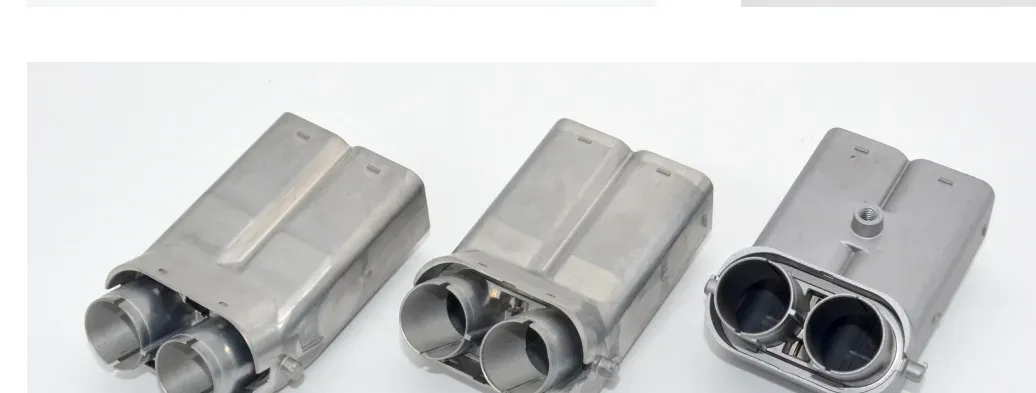
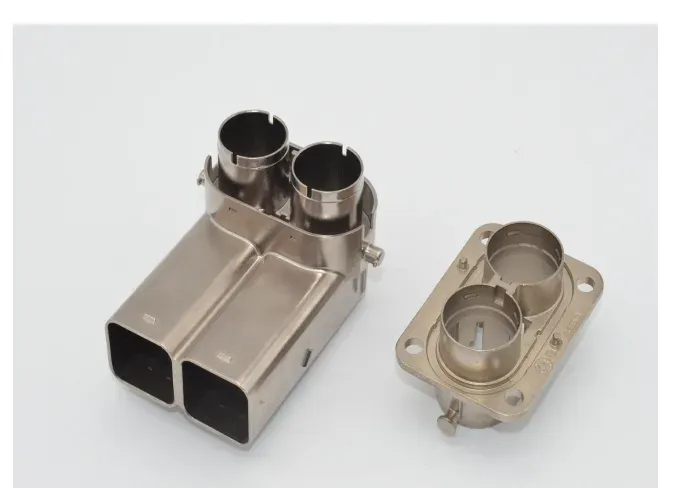
Die Casting Parts
Zinc Die Casting Parts
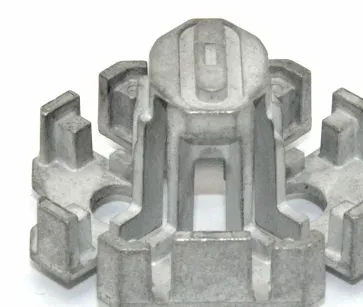
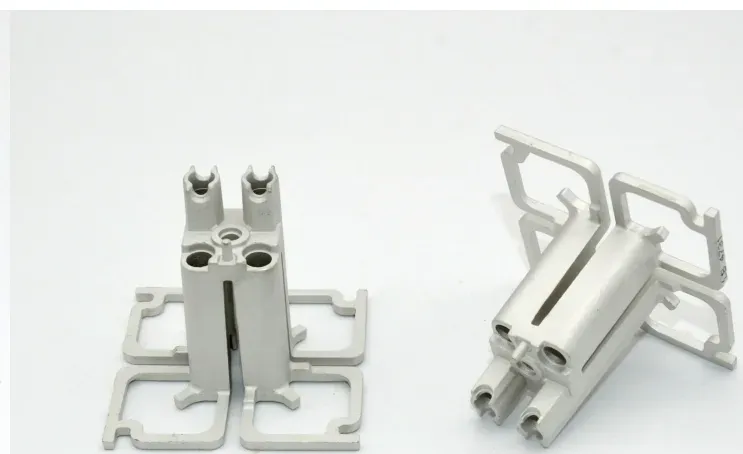
Zinc die casting for small, detailed, high-strength parts — thin walls, fine features and an excellent base for plating, with in-house CNC finishing for threads and critical faces. A smart alternative to machining small metal parts from solid. Free DFM and quote within 24 hours.
Small metal parts are where machining bills quietly explode: a connector housing or gear that takes minutes of spindle time, times ten thousand pieces, costs far more than the metal in it. Zinc die casting exists for exactly this problem. Zinc alloys flow into thin walls and fine detail, hold small features faithfully, and produce parts with real strength and an excellent surface for plating — at unit costs machining cannot reach at volume. HAFO Mould supplies zinc die cast parts with in-house CNC finishing for the features casting should not be asked to hold, inspected and plated or painted to your specification.
Send Your Drawing — Free DFM Review + Quote Within 24 Hours. STEP, STP, IGES, STL, X_T and 2D PDF accepted. NDAs welcome.
Casting + in-house CNC finishing in one factory · 69 machining centers for finishing work · 3 fully automatic CMMs · ISO 9001:2015 certified — scope: Manufacturing of Hardware Molds and Parts · Exports to the US, Germany, France, Portugal, Sweden and Spain.
Why Zinc — the Honest Case
- Thin walls and fine detail — zinc fills small, intricate geometry that aluminum casting and machining both struggle with
- High strength for its size — zinc castings are dense and strong, well suited to small load-bearing hardware
- Excellent surface for finishing — the standard choice when a small part must be chrome or nickel plated and look like it
- Long tool life economics — zinc is gentle on tooling compared with higher-temperature alloys (project specifics confirmed at DFM)
- Weight where it helps — the density that makes a small mechanism feel solid and operate smoothly
And the honest limit: zinc parts are heavy for their size and are not the choice for large or high-temperature parts. For bigger housings, see aluminum Aluminum Die Casting Parts; for one-offs, machine it CNC Machined Parts.
Typical Parts
- Connectors and electrical hardware — small housings and shells with fine detail
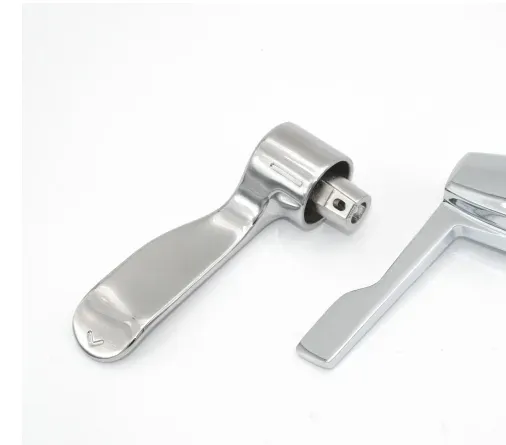
- Lock and latch hardware — bodies, levers and mechanisms that combine strength with a plated finish
- Gears, levers and small mechanisms — functional parts where zinc's strength and castability meet
- Decorative and branded parts — badges, trims and handles that need quality plating
- Automotive and appliance small hardware — clips, brackets and fittings at volume
Finishing and CNC Touches
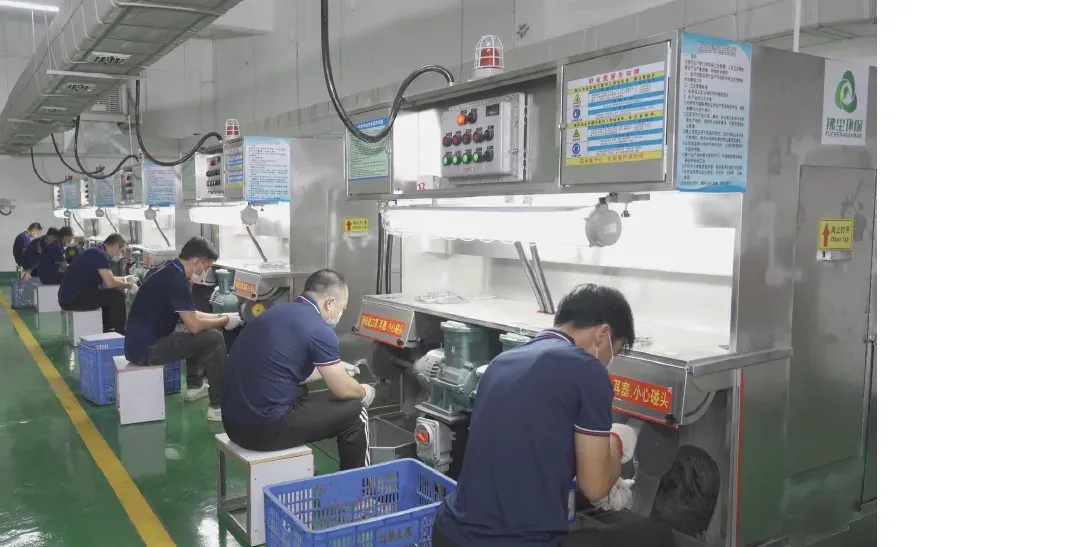
Cast zinc parts are finished in-house where the drawing requires it: threads tapped or machined, critical faces and bores finished on our machining centers to machining tolerances (±0.13 mm standard, ±0.025 mm on marked dimensions, ISO 2768-mK), and surfaces prepared for plating. Finishing options include plating (nickel, chrome, zinc), painting and powder coating, plus bead blasting before coating. The point of one factory: the plating line receives a part whose dimensions already account for coating build-up, because the same team planned both.
Every die casting project starts in our own toolroom. The mold is designed and built in-house — cavity steel, gate and runner design, cooling — so the tool that produces your parts is specified, trialed and maintained under our control. After casting, precision features are finished on our own CNC machining centers, and every batch is inspected against your drawing before it ships.
Specifications
Item | Value |
|---|---|
Process | Zinc die casting + in-house CNC finishing (drilling, tapping, milling of critical features) |
Part profile | Small, detailed, thin-wall parts; small mechanisms and hardware |
Machining tolerances (finished features) | Standard ±0.13 mm (±0.005 in); precision ±0.025 mm (±0.001 in) on marked dimensions |
Finishes | Plating (Ni/Cr/Zn), painting, powder coating, bead blasting, as-cast |
Tooling | Casting tools designed with our in-house toolroom |
Inspection | Dimensional and CMM reports on finished features; material and finish certificates on request |
Quantities | Volume-oriented; tooling vs machining economics reviewed free in the DFM |
Lead time | Depends on tooling, quantity and finish — confirmed in your quote |
Terms | Payment by T/T; shipping DDP, EXW or FOB |
Die casting alloys | Zamak 3, Zamak 5, Zamak 2, ZA-8 and other zinc die casting alloys — material sourced to your specification |
Alloy selection within the zinc die casting family is confirmed at DFM against your strength and finishing requirements and stated in the written quotation.
Quality and Inspection
HAFO Mould is ISO 9001:2015 certified (scope: Manufacturing of Hardware Molds and Parts). Zinc castings are checked for fill, surface condition and detail fidelity; finished features are measured against your drawing with support from 3 fully automatic CMMs. On request: dimensional and CMM reports, material certificates, finish (plating) certificates, and pre-shipment photos or video.
How Ordering Works
- Send drawings or a sample part. Note finish requirements (plating type matters from the start). NDAs welcome.
- Free DFM + quote within 24 hours. Includes tooling concept, alloy recommendation, and — if your volumes are low — an honest comparison against machining.
- Tooling and samples. Tool built; first articles finished and shipped for your approval, plated if the order specifies plating.
- Production. Casting, CNC finishing and surface finishing in one flow.
- Inspection and delivery. Reports as requested; shipped DDP, EXW or FOB; payment by T/T.
Why Cast Zinc Parts with HAFO
- Finishing under the same roof. Threads, critical faces and plating preparation are handled by the factory that cast the part.
- Straight advice on process choice. Zinc, aluminum casting or machining — we sell all three, so the DFM recommendation follows your part and volumes, not our margin.
- Detail fidelity with documentation. Reports and material/finish certificates available for production lots.
Designing for Zinc Casting — What the DFM Review Checks
- Exploit the thin walls. Zinc's fluidity is its superpower: walls and features that would be fragile or unfillable in other cast metals are routine here. Design to the process — thin, ribbed and detailed — instead of copying a machined part's chunky geometry.
- Put the detail in the casting. Logos, textures, fine ribs and small bosses cast faithfully and cost nothing per part once the tool is cut; machining the same detail onto every part costs spindle time forever.
- Draft and radii as standard. Small draft angles and radiused corners improve fill and tool life; the review confirms them against your geometry.
- Plan plating from the first sketch. Plated parts need surfaces and edges that carry coating evenly and drain properly. Because plating is a stated finish option from the start, the tool and the part are designed for it — sharp external edges and blind traps that ruin plated finishes are flagged at DFM.
- Decide the cast-vs-machine split early. Threads, precision bores and flatness-critical faces are usually better machined; everything else should stay as-cast. The split is agreed before tooling, so the die is designed around the features it must hold.
Zinc Casting vs Machining Small Parts from Solid
For a small metal part, machining cost is mostly time: every pocket, hole and profile is cut, part after part, and complex detail multiplies the minutes. Casting moves that complexity into the tool, paid once, so the per-part cost of detail collapses as volume rises. The honest boundary remains volume: at prototype quantities, machining wins because there is no tool to amortize, and for design-freeze iterations a machined sample proves the geometry before any die is cut. Many customers do exactly that — machined prototypes from our CNC shop CNC Machined Parts, then a zinc tool once the design is frozen. The DFM review prices the route you ask for and flags the alternative when the economics point the other way.
Small Mechanisms: Where Zinc Quietly Wins
Gears, latches, cams and lever mechanisms in small sizes are zinc's home ground, for reasons that compound: the alloy casts the fine tooth and detail geometry directly, its strength handles real working loads at small sections, its density gives moving parts a smooth, substantial action, and — unlike a machined equivalent — the hundredth part costs a fraction of the first because the complexity lives in the tool. Where a mechanism also needs a precision bore or a flat running face, our CNC finishing adds exactly those features and no more. If you are currently machining a small mechanism from brass or steel bar, send the drawing with your annual volume: the comparison in the DFM review is free, and for the right part it is not close.
Weight and Feel: When Density Is the Point
Buyers sometimes apologize for zinc's weight. In the right product it is a feature: a handle, knob, latch or counterweight that feels solid reads as quality to the end user in a way a featherweight part cannot, and in vibration-prone assemblies mass itself damps movement. The design question is simply whether your product benefits from heft or is penalized by it — handheld tools and premium hardware usually benefit; anything that flies or is carried all day usually does not. State the priority in your RFQ and the DFM review will weigh zinc against aluminum casting and machining with that criterion included.
FAQ
Why choose zinc over aluminum die casting?
For small parts: zinc casts thinner walls and finer detail, is stronger at small sizes, and is the better base for decorative plating. Aluminum wins for larger parts and where weight matters. Send the drawing — the DFM review compares both against your size, quantity and finish.
Which zinc alloy do you use?
The alloy within the zinc die casting family is selected for your part's strength and finishing requirements and confirmed in the written quotation after DFM. State any mechanical or plating requirements in your RFQ.
What tolerances can zinc castings hold?
As-cast detail is excellent for small features, and features finished on our CNC centers hold ±0.13 mm standard or ±0.025 mm on marked precision dimensions (ISO 2768-mK). The DFM review identifies which of your dimensions need machining and which the casting holds alone.
Is there a minimum order quantity?
Zinc casting is a tooling-based process, so quantities need to justify the tool — there is no fixed number because part size drives tool cost. Tell us your expected volumes; the quote separates tooling from unit price, and if machining is cheaper at your quantity we will say so and quote that instead.
Can zinc parts be chrome plated?
Yes — zinc is one of the best casting bases for quality plating, and nickel, chrome and zinc plating are among our finishing options. Specify the plating in your RFQ: it influences casting surface requirements from the start.
How long do zinc casting tools last?
Zinc's lower casting temperature is kind to tooling, and tool life is typically a strength of the process. Expected life for your specific tool is discussed during the DFM review and reflected in the tooling quotation rather than published as a generic figure.
Can you add threads and machined features?
Yes. Tapping, drilling and machining of critical faces and bores are done in-house on our machining centers — the most common pattern is a cast part with a small number of precisely finished features.
What about porosity and internal quality?
Zinc's fluidity gives dense, well-filled small castings. Where a machined feature or pressure requirement makes internal quality critical, raise it in the RFQ so tool design and the cast-vs-machine split account for it.
Do you provide inspection reports?
Yes — dimensional and CMM reports on finished features, material certificates and plating/finish certificates on request, plus pre-shipment photos or video.
Can you sign an NDA?
Yes. NDAs are welcome; all files are confidential by default.
What are payment and delivery terms?
Payment by T/T; delivery on DDP, EXW or FOB terms to the US, Germany, France, Portugal, Sweden and Spain and beyond.